
Kitchen Remodel Cost: What to Expect in 2026
Kitchen Remodel Cost: What to Expect in 2026
Planning a kitchen remodel in 2026? Here’s what you need to know: kitchen renovation costs are rising due to labor shortages, material price fluctuations, and the growing demand for smart features. Whether you’re doing a small update or a full-scale renovation, costs will depend on your kitchen size, material choices, and design complexity.
- Small Kitchens: Minor updates can start around $10,000–$15,000.
- Mid-Range Projects: Replacing cabinets, appliances, and countertops typically costs $25,000–$50,000.
- High-End Renovations: Premium materials and layout changes can exceed $100,000.
Key cost drivers include cabinets (29% of the budget), labor (20–30%), and appliances. Smart tech, like induction cooktops and sculptural lighting, adds functionality but increases expenses. Sustainable materials, such as recycled surfaces, are trending but come at a premium.
To save money, consider buying materials before tariff increases in 2026, mixing high-end and affordable finishes, and using virtual design tools for planning. Always set aside 15–25% of your budget for unexpected costs.
For a smooth process, work with licensed professionals and prioritize upgrades like cabinets and countertops for the best return on investment.
What’s the Most Expensive Part of a Kitchen Remodel? | Kitchen Cabinet Costs Explained
2026 Kitchen Remodel Cost Breakdown
Understanding the costs of a kitchen remodel in 2026 can help you set realistic expectations. The total expense will depend on the size of your kitchen and the scope of the project - whether you're making minor updates or going all-in with a high-end renovation. Let’s break down the costs by kitchen size and project type to help you see where your money might go.
Costs by Kitchen Size and Project Type
The size of your kitchen and the extent of the remodeling work play a big role in determining the cost. For smaller kitchens, a surface-level refresh might be all that's needed. Mid-range projects often focus on replacing key elements like cabinets and appliances, while larger, more ambitious renovations might include layout changes and the use of premium materials.
Budget Allocation by Component
When planning your remodel, it's important to know how to allocate your budget across different components. A significant chunk often goes toward cabinets and hardware, followed by labor costs for installation, electrical work, plumbing, and other specialized tasks. Other major expenses include appliances, countertops, flooring, and lighting. To make the most of your investment, focus on prioritizing the elements that matter most to you. This breakdown provides a helpful starting point to understand where your money is going and what’s driving the overall cost.
What Affects Kitchen Remodel Costs
When planning a kitchen remodel, several factors play a big role in determining the overall budget. Being aware of these elements can help you make smarter choices and steer clear of unexpected surprises.
Location and Labor Costs
Where you live has a major impact on remodel expenses. Labor rates, living costs, and local market conditions - like home prices and mortgage rates - all influence how much you'll spend. In metropolitan areas, expect to pay more than the national average. Regional preferences, such as trends in kitchen sizes and finishes, also shape the cost of your project.
Material Selection and Design Choices
The materials and designs you choose are another key factor. Basic options for countertops, cabinets, flooring, and finishes can help keep costs manageable. On the other hand, custom cabinetry and high-end finishes will drive up expenses. Even small details - like hardware and fixtures - can add to the final price. These decisions, combined with location-based factors, determine the overall cost of your remodel.
Technology and Market Trends
Advancements in kitchen technology are also reshaping budget expectations. Features like smart appliances, induction cooktops, built-in charging stations, and advanced lighting systems often require additional electrical work and come with a higher upfront cost. While they may save money or energy in the long run, they can significantly increase your initial investment. Similarly, eco-friendly materials and finishes often carry a higher price tag but appeal to those prioritizing sustainability.
Popular Materials and Features for 2026
Looking ahead to 2026, kitchen designs are all about blending sustainability, natural materials, and sleek modern trends. By understanding the materials and features driving these trends, you can create a kitchen that’s both stylish and practical.
Top Materials and Finishes
Natural wood cabinets continue to dominate, with wood grain finishes taking precedence over painted options. In fact, 59% of designers recommend wood grain cabinetry, with white oak standing out as a favorite. Expect to spend between $15,000 and $30,000 for natural wood cabinets.
Neutral tones remain a top choice for color schemes, with 96% of designers favoring them. However, greens (86%) and blues (78%) are increasingly popular as accent colors.
For countertops and backsplashes, natural quartzite is leading the way, with 62% of designers recommending it for countertops and 61% for backsplashes. If you’re considering quartz, it typically costs $70–$100 per square foot.
Eco-conscious choices are also on the rise. Recycled composite surfaces offer a sustainable yet luxurious option, priced between $50 and $80 per square foot. Additionally, composite cabinets made from recycled materials are gaining traction as a key trend for 2026 kitchens.
To add a touch of elegance, curved designs are becoming a go-to choice, softening the overall look and enhancing the flow of the space.
These materials not only elevate the aesthetic but also lay the groundwork for incorporating cutting-edge technologies.
New Kitchen Technologies
One standout trend in kitchen tech is sculptural lighting fixtures. These pieces double as functional art, making them a focal point in modern kitchens. Prices vary widely, ranging from $200 to over $1,000.
"The integration between the kitchen and whole home is a really exciting opportunity for the kitchen and bath industry." - Bill Darcy, Global President and CEO of NKBA.
When planning your remodel, it’s important to factor in how these premium materials and innovative technologies will impact your budget. Together, these elements offer a vision for 2026 kitchens that balances style, practicality, and eco-friendly design.
sbb-itb-8935015
Budget Planning and Money-Saving Tips
A well-thought-out plan can mean the difference between a smooth renovation and a stressful one. Since cabinetry accounts for about 29% and labor takes up 20–30% of kitchen remodel expenses, carefully planning your budget is crucial to get the most out of your investment. Here's how to make every dollar count.
Setting Priorities and Budget Limits
Cabinets are a major focus for many homeowners - nearly 70% opt to replace all their cabinets during a remodel. To make the most of your budget, focus on upgrades that enhance both functionality and resale value, like cabinets, countertops, and appliances. These elements often have the biggest impact, while decorative details can usually be done more affordably.
Timing is everything, especially when it comes to cabinet purchases. Tariffs on imported wooden cabinets increased by 25% on October 14, 2025, and will rise to 50% on January 1, 2026. These changes affect both budget-friendly ready-to-assemble cabinets and U.S.-made options that rely on imported materials. Buying cabinets before these increases can help you save significantly.
Smart Ways to Save Money
Combine high-end materials in visible, high-use areas with more affordable options in less prominent spots. This mix-and-match approach balances quality and cost. You can also save by using virtual design services instead of in-person consultations. Many online platforms offer professional layouts and 3D renderings at a fraction of the price, giving you a clear vision of your space without breaking the bank.
Kitchen Remodeling with Gomez Contractors
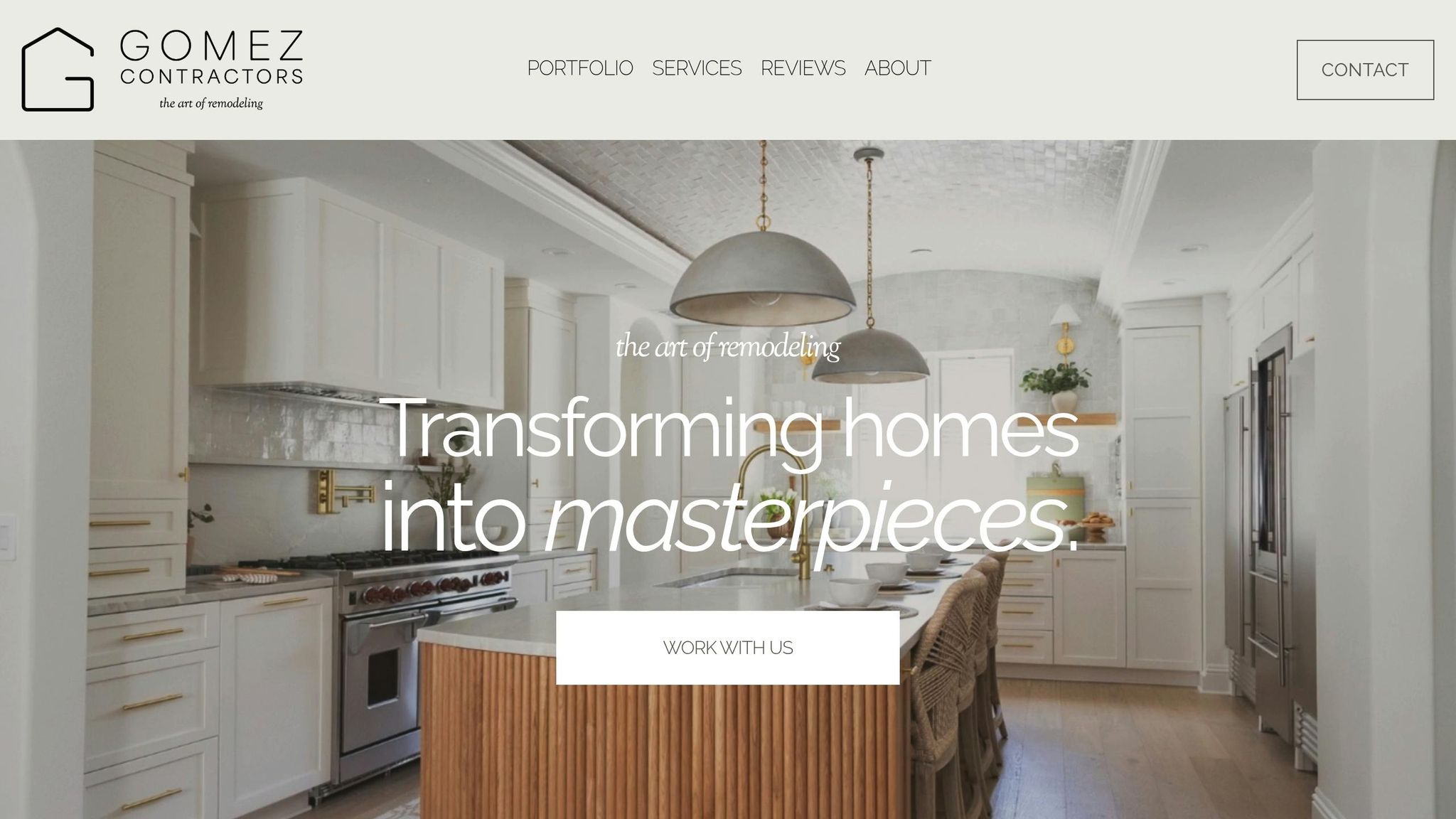
Gomez Contractors brings skilled craftsmanship, transparent pricing, and dedicated service to homeowners across Central Florida. As a family-owned business, they combine a personal touch with the efficiency of modern project management tools to ensure your kitchen remodel stays on schedule and within budget.
Why Choose Gomez Contractors?
What sets Gomez Contractors apart is their commitment to clear communication and efficient project oversight. They use modern management software to keep you updated at every stage of the process, minimizing delays and surprises. Being licensed and insured, they offer peace of mind, and their family-owned structure means you’ll work directly with decision-makers who are genuinely invested in your satisfaction.
Kitchen Remodeling Services
Gomez Contractors provides a range of services, including custom cabinetry, durable countertops, improved layouts, flooring, and lighting upgrades. Their custom cabinetry is designed to meet your kitchen’s specific needs, while carefully chosen materials ensure a balance of style and durability. With a tailored quote for each project, you can focus on the features that matter most to your lifestyle, maintaining control over your budget without sacrificing quality.
These services help lay the foundation for creating the kitchen of your dreams, tailored to your needs and ready for the years ahead.
Planning Your 2026 Kitchen Remodel
Kicking off your kitchen remodel starts with solid financial planning. On average, labor costs make up about 20–30% of the total expense for a kitchen renovation, based on current market trends. It’s also smart to allocate an additional 15–25% of your budget for unexpected costs that might pop up along the way. These figures can help you set realistic expectations and avoid financial surprises.
Kitchen design preferences are shifting. According to the 2026 Home Renovation Consumer Report by Statista, 57% of U.S. homeowners now lean toward online or hybrid design services. The main reasons? They’re more affordable and save time. With the virtual kitchen design market growing at an impressive 18% annually, digital planning tools are becoming both more advanced and easier to use. Tools like online cost estimators and budgeting platforms can help you get a clear picture of your expenses and make discussions with contractors more productive. However, while these tools are helpful, some aspects of a remodel require the expertise of seasoned professionals.
When it comes to the technical side of your remodel, professional help is non-negotiable. Licensed electricians, plumbers, and installers ensure that everything is up to code and that costly mistakes are avoided. If you want a seamless experience, design-build firms can be a great option - they handle both the planning and construction phases, keeping everything on track and within budget.
FAQs
How can I plan for unexpected expenses during a 2026 kitchen remodel?
When planning your 2026 kitchen remodel, it’s wise to allocate 10-20% of your total budget for unexpected expenses. Things like hidden structural problems, outdated electrical systems, or shifts in material prices can pop up, and having this cushion ensures you’re ready to handle them without stress.
To keep your project on course, make it a habit to review your expenses regularly. Focus on covering the essentials first - this way, you can tackle surprises without derailing your overall vision for the remodel.
What are the advantages of using virtual design tools for planning a kitchen remodel?
Virtual design tools are a practical and efficient way to plan your kitchen remodel with accuracy and ease. With these tools, you can create a 3D model of your future kitchen, experiment with layouts, and explore different materials, colors, and finishes - all before committing to any decisions.
They’re especially useful for spotting potential problems early, making the most of your space, and ensuring your design fits both your budget and your lifestyle. Plus, they simplify communication with contractors and designers, helping you clearly convey your vision and avoid expensive changes down the road. If you’re gearing up for a kitchen renovation, these tools can help bring your ideas to life seamlessly.
How can I use sustainable materials in my kitchen remodel without going over budget?
Incorporating eco-friendly materials into your kitchen remodel doesn’t have to drain your wallet. With a bit of planning, you can make choices that are kind to both the planet and your budget. For instance, reclaimed wood is an excellent option for cabinets or countertops. Not only does it have a unique charm, but it’s also more affordable than many new materials. Similarly, bamboo is a smart pick for flooring or cabinetry. Its rapid growth and durability make it a sustainable and cost-effective choice.
Another way to save money while going green is to repurpose or refinish what you already have. Instead of replacing cabinets, consider giving them a fresh look with non-toxic, low-VOC paint. This approach is easy on your budget and reduces waste. And when it comes to appliances, investing in energy-efficient models with the ENERGY STAR label can lead to long-term savings on your utility bills, even if the initial cost is a bit higher.
Don’t overlook the benefits of shopping locally for materials. Sourcing items from nearby suppliers not only cuts down on transportation costs but also supports sustainable practices in your community. With some creativity and thoughtful decisions, you can design a kitchen that’s stylish, environmentally friendly, and easy on your finances.
