
10 Best Sources for High-Quality Renovation Materials in 2026
10 Best Soundproofing Materials for Homes 2026
Noise can disrupt your life - whether it’s traffic, loud neighbors, or footsteps from upstairs. The right soundproofing materials can make your home quieter, more private, and even more energy-efficient. Here are the 10 best soundproofing materials for 2026, ranked by performance, cost, and ease of installation:
- AudioSeal® MLV with RSIC-1 Clips and Green Glue: Ideal for walls and ceilings. Combines mass, isolation, and damping for excellent noise reduction.
- Quiet Barrier® Specialty Composite: Multi-layer solution for walls, ceilings, and floors, effective for all noise types.
- OSI® SC-175 Acoustical Sealant: Seals gaps and cracks to prevent sound leaks.
- Firestop Acoustical Putty Pads: Perfect for sealing outlets and small penetrations.
- PrivacyShield® Ceiling Barrier: Great for reducing impact noise from above.
- Iso-Step® Acoustic Floor Underlayment: Absorbs floor vibrations and reduces impact noise.
- Quiet Batt® Soundproofing Insulation: High-density insulation for walls and ceilings.
- PrivacyShield® Window Inserts: Blocks outdoor noise through windows.
- PrivacyShield® Acoustic Doors: Reduces sound transfer between rooms.
- Echo Absorber™ Natural Acoustic Panels: Absorbs echoes and improves room acoustics with eco-friendly materials.
Quick Comparison
Material
Best For
Cost Range
Installation Difficulty
Eco-Friendly Features
AudioSeal® MLV System
Walls, Ceilings
$3–$5+ per sq ft
Moderate to Complex
Green Glue is non-toxic
Quiet Barrier® Specialty Composite
Walls, Ceilings, Floors
$2–$4 per sq ft
Easy (PSA version)
None
OSI® SC-175 Acoustical Sealant
Gaps, Cracks, Joints
$0.50–$1 per ft
Very Easy
Low VOC
Firestop Acoustical Putty Pads
Electrical Boxes, Outlets
$1–$2 per ft
Easy
None
PrivacyShield® Ceiling Barrier
Ceilings
$2–$3 per sq ft
Moderate
Non-toxic, safe indoors
Iso-Step® Acoustic Floor Underlayment
Floors
$1.50–$3 per sq ft
Moderate
None
Quiet Batt® Soundproofing Insulation
Walls, Ceilings, Attics
$1–$2 per sq ft
Easy to Moderate
80% recycled cotton
PrivacyShield® Window Inserts
Windows
$15–$25 per sq ft
Easy
None
PrivacyShield® Acoustic Doors
Doorways
$500–$1,500+ per door
Moderate
None
Echo Absorber™ Natural Acoustic Panels
Walls, Ceilings (in-room)
$2–$4 per sq ft
Very Easy
80% recycled cotton, biodegradable
| Material | Best For | Cost Range | Installation Difficulty | Eco-Friendly Features |
|---|---|---|---|---|
| AudioSeal® MLV System | Walls, Ceilings | $3–$5+ per sq ft | Moderate to Complex | Green Glue is non-toxic |
| Quiet Barrier® Specialty Composite | Walls, Ceilings, Floors | $2–$4 per sq ft | Easy (PSA version) | None |
| OSI® SC-175 Acoustical Sealant | Gaps, Cracks, Joints | $0.50–$1 per ft | Very Easy | Low VOC |
| Firestop Acoustical Putty Pads | Electrical Boxes, Outlets | $1–$2 per ft | Easy | None |
| PrivacyShield® Ceiling Barrier | Ceilings | $2–$3 per sq ft | Moderate | Non-toxic, safe indoors |
| Iso-Step® Acoustic Floor Underlayment | Floors | $1.50–$3 per sq ft | Moderate | None |
| Quiet Batt® Soundproofing Insulation | Walls, Ceilings, Attics | $1–$2 per sq ft | Easy to Moderate | 80% recycled cotton |
| PrivacyShield® Window Inserts | Windows | $15–$25 per sq ft | Easy | None |
| PrivacyShield® Acoustic Doors | Doorways | $500–$1,500+ per door | Moderate | None |
| Echo Absorber™ Natural Acoustic Panels | Walls, Ceilings (in-room) | $2–$4 per sq ft | Very Easy | 80% recycled cotton, biodegradable |
Each material targets specific noise issues, from sealing gaps to reducing vibrations. Whether you’re tackling a DIY project or hiring professionals, these options can help you create a quieter home.
8 Best Soundproofing Materials & BUDGET Alternatives 2025
1. AudioSeal® MLV Barrier with RSIC-1 Clips and Green Glue Compound
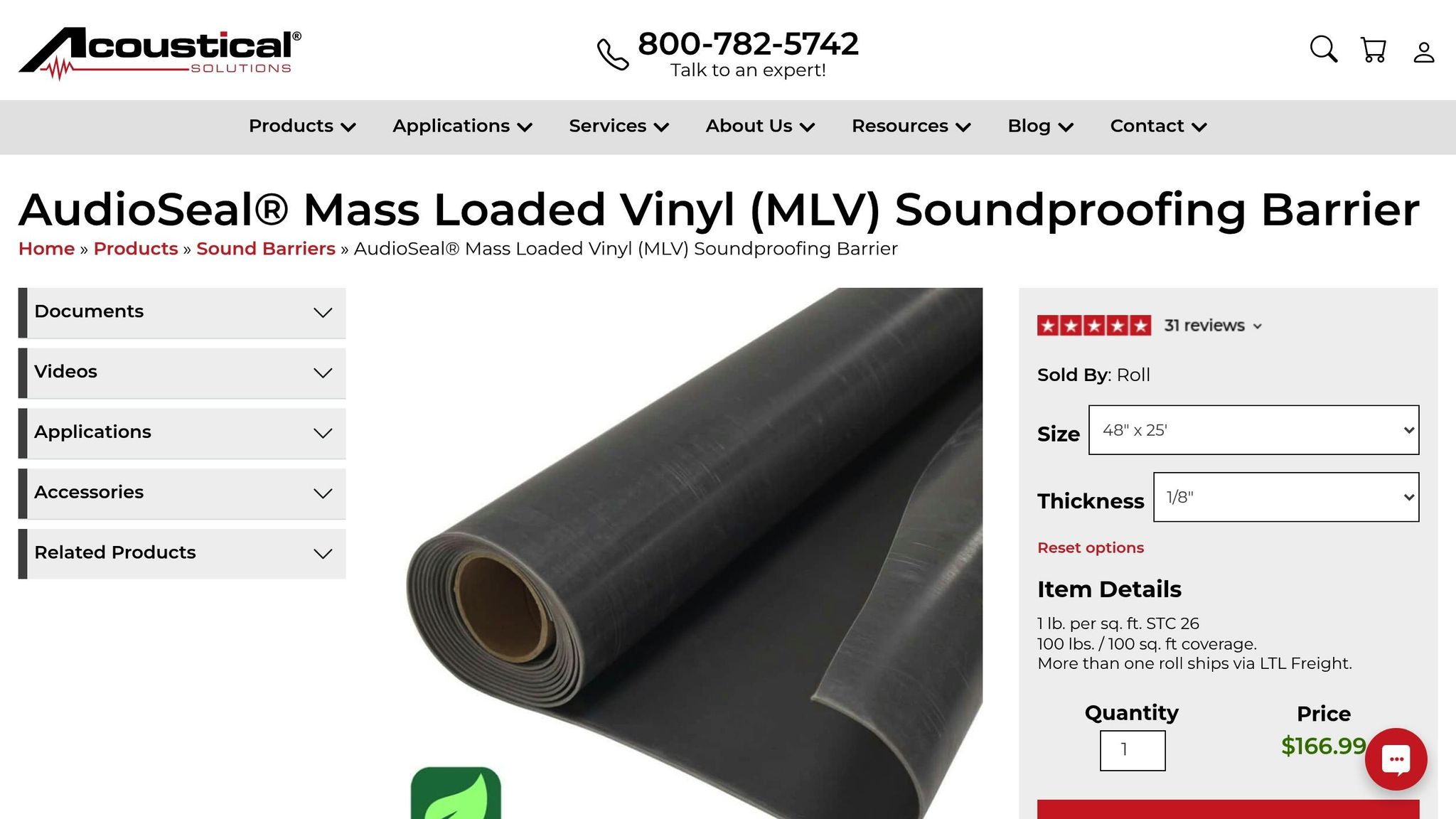
The AudioSeal® system, which combines Mass-Loaded Vinyl (MLV), RSIC-1 clips, and Green Glue, is widely regarded as a top-tier option for wall soundproofing. This three-part setup addresses noise from multiple angles, offering a more effective solution than relying on a single material.
AudioSeal® MLV adds mass to walls without significantly increasing thickness, making it an efficient way to block sound waves. It’s also weather-resistant, performing well in both hot and cold climates. When paired with RSIC-1 clips and Green Glue, the system not only blocks airborne noise (like conversations or TV audio) but also reduces impact noise (such as footsteps or vibrations). This layered approach creates a highly effective soundproofing solution for spaces where quiet is essential.
Effectiveness in Soundproofing
Each component in the AudioSeal® system plays a specific role. The MLV blocks airborne sound, RSIC-1 clips isolate drywall to prevent vibrations, and Green Glue absorbs low-frequency noise. Together, they create a system that works well in spaces like bedrooms, home offices, and media rooms, where sound control is a priority.
Cost Range
While the MLV itself is a budget-friendly option, adding RSIC-1 clips and Green Glue pushes the system into the mid-to-premium price range. For homeowners in Central Florida, consulting professionals like Gomez Contractors can help you get accurate pricing and ensure proper installation.
Ease of Installation
Although this system can be installed by DIY enthusiasts, professional installation is highly recommended. Proper installation is critical to avoid gaps or mistakes in decoupling, which could compromise its ability to block low-frequency noise. Whether it’s for new construction or retrofitting, precision is key to achieving the best results.
Eco-Friendly Properties
AudioSeal® MLV is marketed as environmentally friendly, aligning with modern demands for sustainable materials without sacrificing acoustic performance.
Its combination of soundproofing efficiency and eco-conscious design makes it a standout option for anyone looking to create quieter spaces in 2025 and beyond.
2. Quiet Barrier® Specialty Section Composite
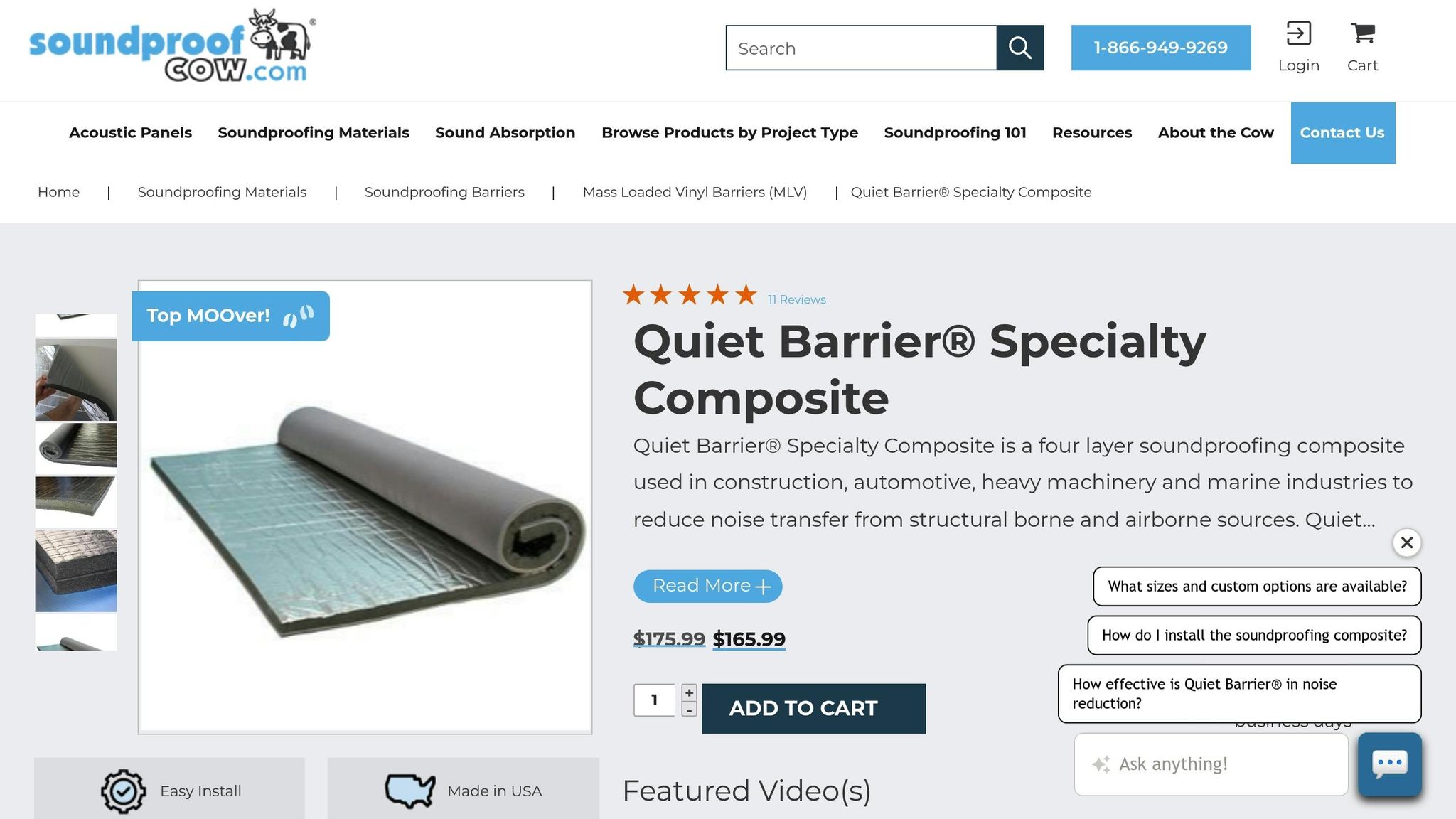
The Quiet Barrier®, Specialty Composite, features a four-layer design to block both the airborne noise and dampen vibrations. Unlike simpler single-layer materials, this composite combines four layers: one fiber-reinforced polyester film, thick acoustic foam, quiet barrier is LD this composite combines have been. Each with a specific role. The polyester film blocks high frequencies while resisting heat and tearing; the thick foam absorbs sound across low, mid, and high frequencies; and the you acoustic foam layer, this comprehensive approach makes it effective against construction the layered approach underpins its robust performance as detailed below.
Effectiveness in Soundproofing
The composite’s dual functionality sets it avoiding by combining blocking and dampening methods, it offers robust soundproofing in spaces for multiple noise types are present.
###. Cost Range
Falling into the mid-to-premium price range, Quiet Barrier® Specialty Composite reflects. The investment is justified by its superior noise reduction and long-term durability.
###. Ease of Installation
Quiet Barrier® Specialty is available within two versions: a standard option and one with pressure-sensitive adhesive every adhesive and fasteners, making the process more DIY-friendly compared to traditional mass-loaded vinyl.
###. Eco-Friendly Properties
Quiet Barrier® Specialty Composite is well suited for installations near HVAC systems, pipes, or other. Whether you’re soundproofing a home theater, bedroom, or home office, this specialty composite delivers consistent performance.
3. OSI® SC-175 Acoustical Sealant
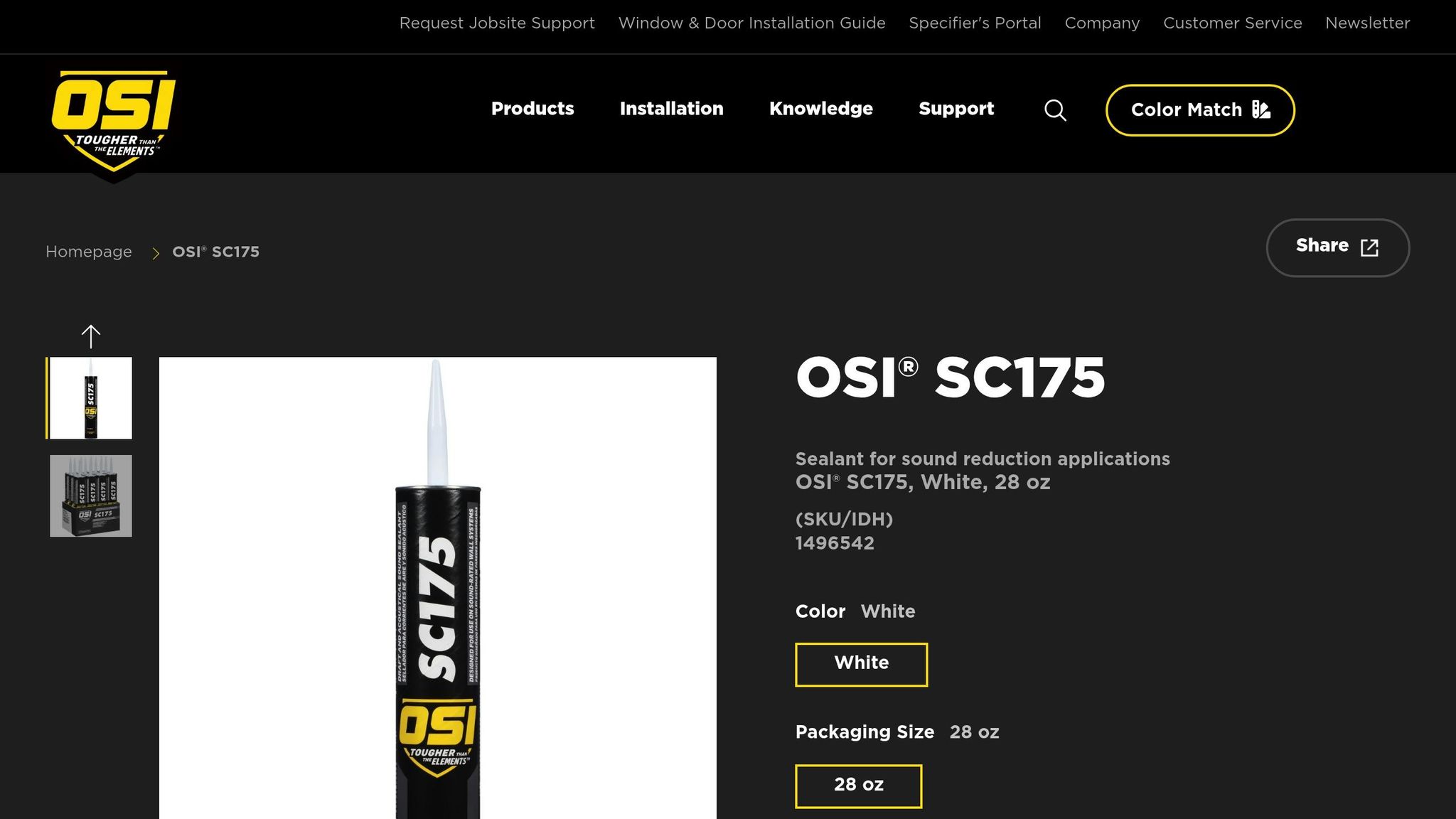
OSI® SC-175 Acoustical Sealant is a key player when it comes to sealing gaps and joints that allow sound to escape. Even with investments in acoustic panels or mass-loaded vinyl, small openings around electrical outlets, baseboards, door frames, and wall penetrations can let sound sneak through, undermining your soundproofing efforts.
Think of it like waterproofing - no matter how good your materials are, if gaps remain, the system won’t perform as intended. By filling these weak spots, this sealant helps stop airborne sound from slipping through structural gaps. It’s the finishing touch that ties your soundproofing strategy together, working in harmony with other acoustic measures.
Effectiveness in Soundproofing
Designed to block airborne sound transmission, OSI® SC-175 works well in walls, ceilings, and floors. It shines as a finishing step in a layered soundproofing setup, which might include drywall, mass-loaded vinyl, and acoustic insulation. However, its effectiveness depends on precise application - missing even a small gap can reduce its performance.
Cost Range
For those on a budget, OSI® SC-175 offers an affordable way to boost the effectiveness of pricier acoustic materials. It’s especially appealing for retrofit projects where major renovations aren’t an option. Sealing existing gaps can make a noticeable difference without requiring a full-scale overhaul.
Ease of Installation
Applying OSI® SC-175 is straightforward and beginner-friendly. If you’ve ever used a caulking gun, you already have the basic skills needed to get started. The key is paying close attention to detail - every gap matters, especially around areas like electrical outlets, baseboards, door and window frames, ceiling penetrations, and spots where pipes or wires enter a room. For larger or more intricate projects, hiring a professional might be worth considering. If you’re remodeling, integrating OSI® SC-175 with contractors like Gomez Contractors can help ensure a seamless soundproofing system.
Eco-Friendly Properties
This sealant is safe for indoor use, with a low odor during application. Once cured, it remains flexible, which is a big plus. Buildings naturally shift and settle over time, and this flexibility helps prevent cracking, so your acoustic seal stays intact for years. It’s particularly useful around HVAC systems, pipes, and other penetrations where movement might otherwise cause issues.
4. Firestop Acoustical Putty Pads
Firestop Acoustical Putty Pads tackle an often-overlooked aspect of soundproofing: the small gaps and penetrations that let noise sneak through even the most robust acoustic barriers. These pads are specifically designed to seal spaces around electrical outlets, light switches, pipe penetrations, and other fixtures where sound tends to escape. While they might seem like a small detail, they play a big role in improving overall soundproofing.
What sets these pads apart from traditional caulking is their flexibility. They stay pliable after application, allowing them to adapt to your home's natural settling without cracking or losing their seal. This makes them a reliable choice for long-term performance, especially in areas prone to slight movement or vibration. By addressing overlooked leakage points, these pads complement more substantial soundproofing methods.
Effectiveness in Soundproofing
Firestop Acoustical Putty Pads are excellent at blocking airborne noise by sealing gaps where sound leaks occur. However, they are not designed to handle impact noise, which requires materials with mass and damping properties to absorb physical vibrations traveling through walls or floors.
Their real value lies in how they enhance the effectiveness of other soundproofing materials. Even the best insulation or mass-loaded vinyl won’t perform as intended if gaps are left unsealed. For a well-rounded noise control system, putty pads should be part of a layered approach that includes insulation, mass-loaded vinyl, and other acoustic treatments.
Cost Range
These putty pads are a budget-friendly solution, typically costing between $0.50 and $2.00 per linear foot, depending on the brand and quantity purchased. This makes them one of the most affordable ways to boost your soundproofing efforts.
The real advantage is how they protect your larger investment. Without sealing gaps, even the most expensive soundproofing materials can fall short. Spending a small amount on putty pads ensures that your overall system works efficiently, preventing sound from slipping through unsealed penetrations.
Ease of Installation
One of the best parts about Firestop Acoustical Putty Pads is their DIY-friendly nature. You don’t need specialized tools or expertise to install them. If you can press putty into a gap using your hands or a putty knife, you’ve got everything you need. Simply clean the gap areas, press the pads into place, and ensure a secure seal.
For larger projects, professional installation might be worth considering to ensure no gaps are missed. If you’re already working with contractors, such as during a renovation, incorporating putty pad installation into the project can streamline the process and ensure it aligns with other soundproofing measures.
Eco-Friendly Properties
While the environmental details vary by manufacturer, many Firestop Acoustical Putty Pads are formulated with low-VOC (volatile organic compound) materials, which help maintain better indoor air quality. This feature is especially important for residential spaces where air quality directly affects daily life.
If sustainability is a priority, look for pads labeled as low-VOC or eco-friendly. Some homeowners take it a step further by pairing these pads with natural soundproofing materials, like wool-based insulation or recycled underlayment, to create a noise control system that’s both effective and environmentally conscious. This approach provides peace of mind, knowing you’re balancing performance with healthier indoor air quality.
5. PrivacyShield® Ceiling Barrier
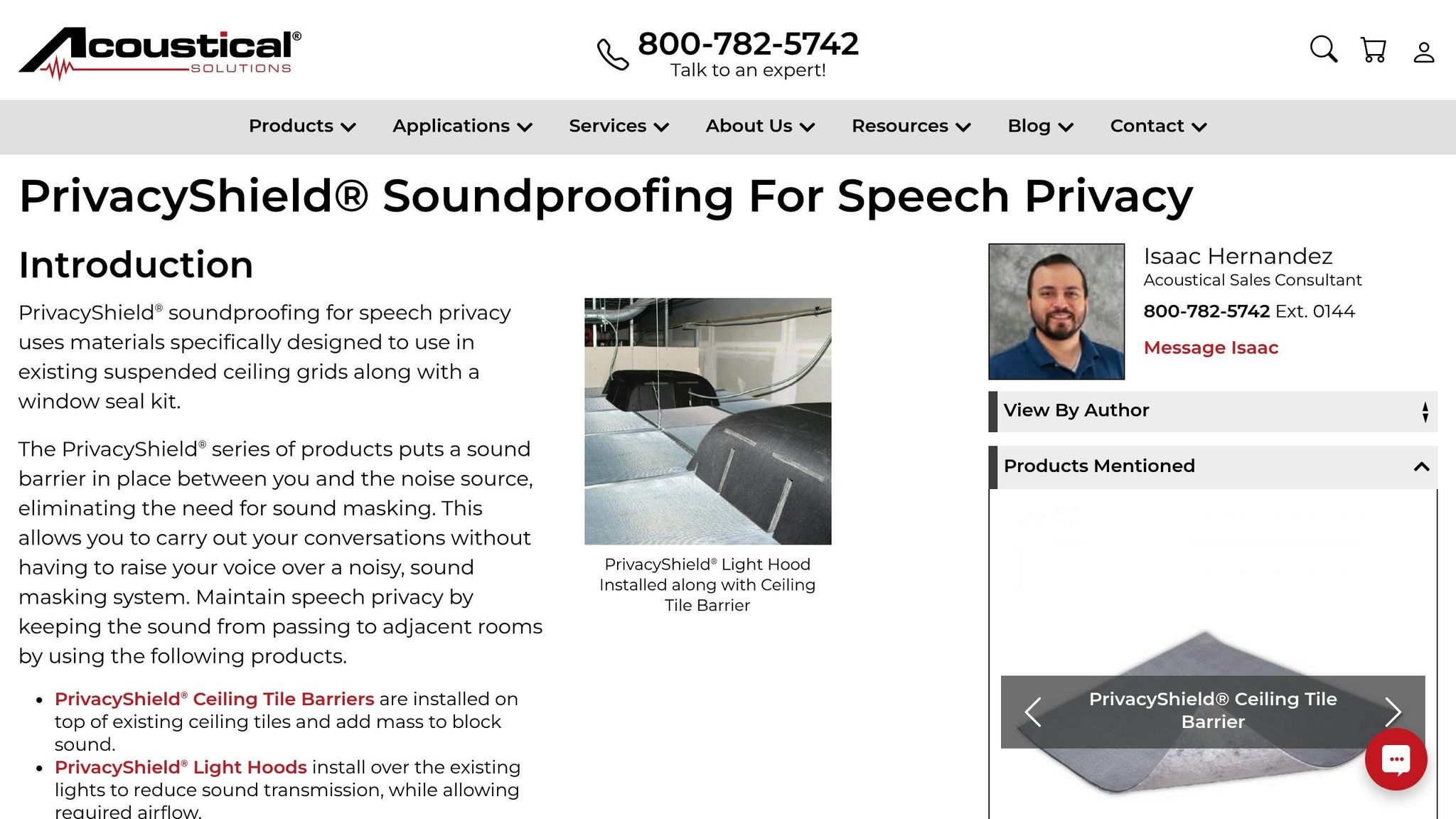
The PrivacyShield® Ceiling Barrier is designed to tackle noise that seeps through ceilings - whether it’s footsteps from above, voices traveling between floors, or the constant hum of activity in multi-level buildings. Ceilings often act as a direct pathway for unwanted sound, and this system offers a solution by creating a dense acoustic layer above standard drop ceiling tiles, effectively blocking noise.
What makes it stand out is its retrofit design. It enhances soundproofing without requiring any changes to your existing ceiling structure. The barrier sits above your current tiles, addressing both the thud of footsteps and the transmission of voices or music. This is especially useful for older homes or rental properties where permanent modifications aren’t feasible. Plus, it allows continued access to the plenum space - the area above the ceiling where HVAC ducts, electrical wiring, and plumbing are housed - ensuring essential systems remain accessible while soundproofing.
Effectiveness in Soundproofing
The PrivacyShield® Ceiling Barrier is particularly effective at reducing impact noise, which is often the most disruptive type of ceiling noise. Vibrations caused by footsteps, moving furniture, or dropped items travel through floor and ceiling structures, but the barrier’s placement above ceiling tiles helps interrupt this transmission. For airborne noise - like conversations, TV sound, or music - the barrier adds density, making it harder for sound waves to pass through. Its performance improves even further when paired with acoustic ceiling tiles and light fixture covers, creating a more comprehensive soundproofing solution.
Cost Range
In terms of pricing, the PrivacyShield® Ceiling Barrier falls into the mid-range to premium category for soundproofing products. While it costs more than basic acoustic ceiling tiles, it’s still more affordable than a complete ceiling overhaul involving multiple soundproofing layers. This makes it a practical choice for those seeking advanced noise reduction without the expense or hassle of major renovations. The system not only delivers effective soundproofing but also avoids the need for demolition, protecting access to essential building systems and simplifying future maintenance.
Ease of Installation
For best results, the PrivacyShield® Ceiling Barrier requires professional installation. Experts ensure the barrier is properly aligned, securely placed within the drop ceiling framework, and that all gaps are sealed to maintain sound isolation. Installation generally takes one to two days, depending on the ceiling’s size and complexity. Professionals can also identify potential sound leaks around light fixtures or HVAC penetrations and recommend additional products to enhance overall noise reduction. If you’re already planning a larger renovation, installing the PrivacyShield® Ceiling Barrier at the same time can streamline the process and ensure it integrates seamlessly with other upgrades.
Eco-Friendly Properties
The PrivacyShield® Ceiling Barrier also supports environmentally conscious renovations. Its retrofit design minimizes construction waste by working with your existing ceiling, reducing the need for demolition and disposal. For those prioritizing sustainability, pairing this barrier with eco-friendly options like recycled acoustic ceiling tiles or natural fiber insulation can create an even greener soundproofing solution. This approach not only reduces waste but also aligns with efforts to make home improvements more environmentally responsible.
6. Iso-Step® Acoustic Floor Underlayment
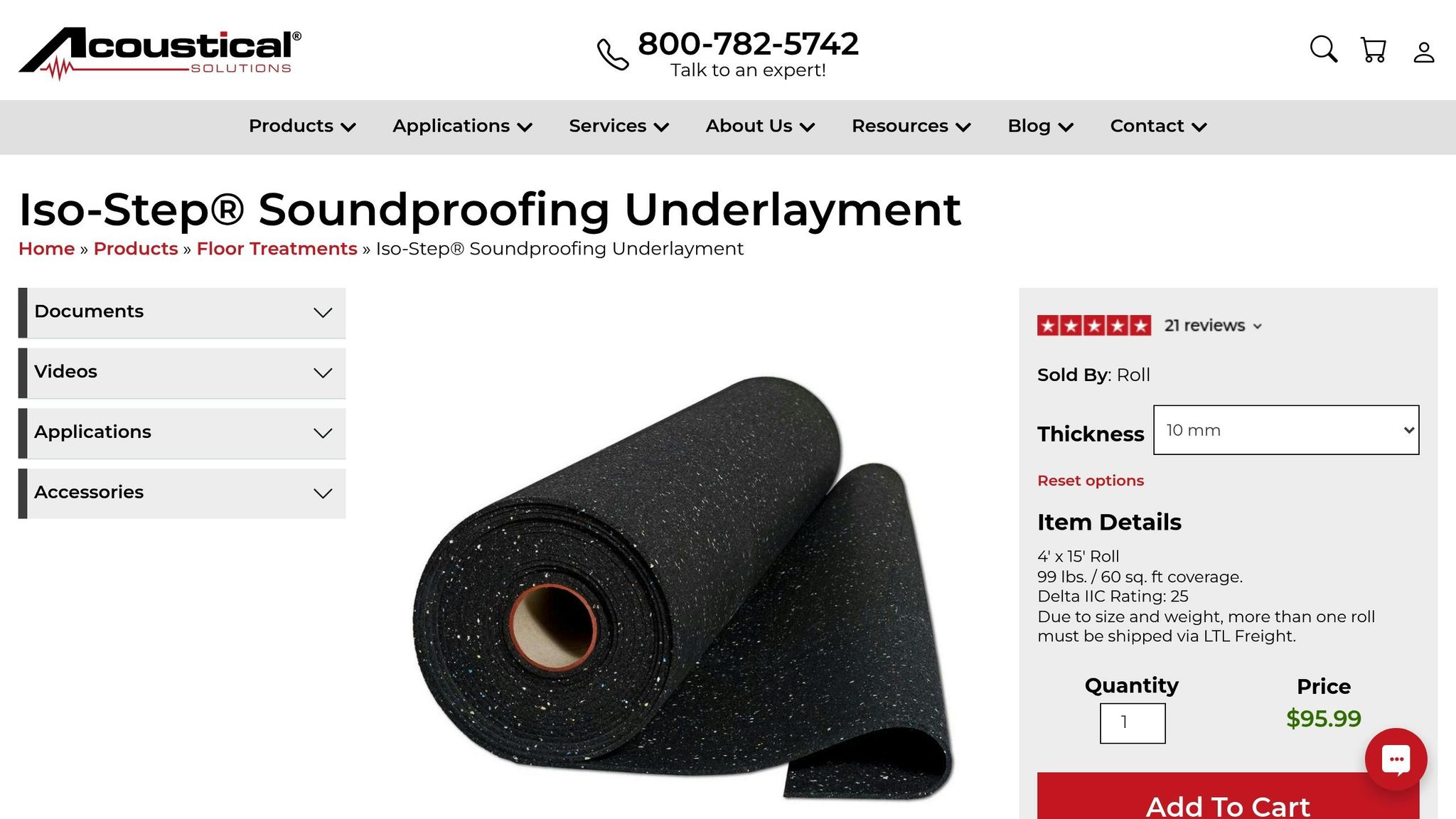
Iso-Step® Acoustic Floor Underlayment is a smart solution for reducing noise in multi-story homes. It tackles the common issue of sound traveling from footsteps and impacts on upper floors. Installed between the subfloor and your finished flooring, this underlayment creates a sound-dampening barrier that absorbs vibrations before they pass to the rooms below. Whether it’s the creak of hardwood, the click of laminate, or the sound of children running on engineered wood, Iso-Step® works silently and effectively beneath your flooring.
Since it’s hidden from view, Iso-Step® improves your home’s acoustics without altering its appearance. It’s compatible with various flooring types - including laminate, engineered wood, and solid hardwood - making it a practical addition to any flooring renovation. Plus, it complements other soundproofing measures by focusing specifically on floor vibrations.
Effectiveness in Soundproofing
Iso-Step® is particularly effective at cutting down impact noise, like footsteps, dropped items, or moving furniture - common disturbances in multi-level homes. While its primary focus is on impact noise, its density also helps to slightly reduce airborne sounds, such as conversations or TV noise, creating a quieter and more peaceful environment overall.
The underlayment comes in different thicknesses, allowing you to choose the level of performance that best suits your needs and the construction of your home.
Cost Range
Iso-Step® falls into the mid-range price category. It’s more expensive than basic foam underlayments but strikes a balance between cost and performance. If you’re already planning a flooring replacement, adding Iso-Step® during installation can save on labor costs and make the upgrade more economical.
Ease of Installation
This underlayment is installed directly over the subfloor before the finished flooring is laid down, making it ideal for both new construction and renovation projects. While it’s possible to install Iso-Step® as a DIY project if you’re experienced with flooring, professional installation is often recommended. Professional installers can ensure the product performs as intended and that any warranty requirements are met. For those remodeling, companies like Gomez Contractors can help seamlessly incorporate Iso-Step® into your broader renovation plans, ensuring the underlayment integrates well with other soundproofing strategies.
Eco-Friendly Properties
Iso-Step® is designed with durability and health in mind. It resists mold and mildew, making it a good choice for homes in various climates and humidity levels. Its resistance to compression ensures that it maintains its soundproofing abilities even under heavy furniture or constant foot traffic. This durability means the product lasts longer, reducing the need for frequent replacements and contributing to a more sustainable approach to home renovation.
sbb-itb-8935015
7. Quiet Batt® Soundproofing Insulation
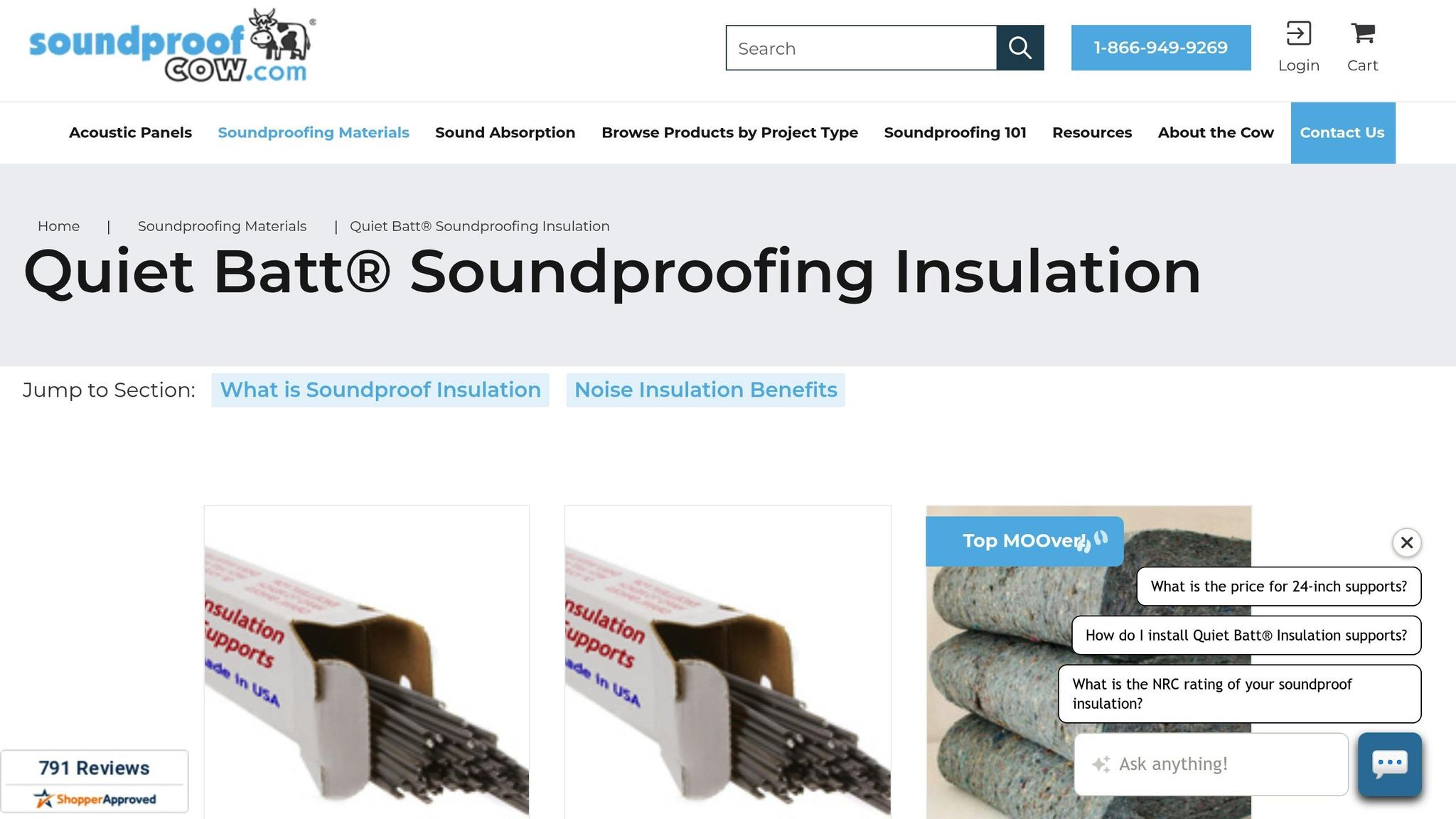
Quiet Batt® Soundproofing Insulation is designed to reduce noise in homes effectively. Unlike traditional fiberglass insulation, Quiet Batt® uses a denser fiber structure that absorbs sound waves. It fits neatly within wall cavities between studs, working behind drywall to create a quieter living environment.
Effectiveness in Soundproofing
Quiet Batt® excels at reducing airborne noise, such as voices, music, and TV audio. With an NRC rating of 1.05 - comparable to leading products like Rockwool Safe'n'Sound - it effectively captures sound waves passing through walls and ceilings.
Its dense, porous structure prevents noise from traveling between rooms, making it a great choice for quieting bedrooms, home offices, and other living spaces. While its primary focus is on airborne noise, it can also reduce some impact noise when installed in ceiling cavities. For maximum noise reduction, pairing Quiet Batt® with other solutions, like acoustic floor underlayment, can further minimize sound transmission.
Proper installation is essential to achieving the best results.
Cost Range
Quiet Batt® falls into the mid-to-premium price range for soundproofing materials. Though it costs more upfront than basic insulation, its long-term benefits make it a smart investment.
With a lifespan of over 80 years when installed correctly, Quiet Batt® offers lasting acoustic comfort and can even enhance your home's value.
Ease of Installation
Quiet Batt® is relatively easy to install and suitable for DIY enthusiasts. It cuts easily to fit standard stud bays and installs with a simple friction fit, much like conventional insulation. For homeowners with basic carpentry skills and the right tools, this can be a manageable project.
However, installation requires access to open stud bays, making it an ideal addition during remodeling projects. For more complex installations or when optimal soundproofing is critical, professional assistance can ensure better results. Specialists like Gomez Contractors, who focus on home remodeling in Orlando and Central Florida, can provide expert installation and integrate Quiet Batt® with other soundproofing elements.
To maximize performance, ensure the insulation fills each cavity completely without gaps or compression, and seal it properly.
When combined with other soundproofing measures, Quiet Batt® becomes part of a well-rounded noise reduction strategy.
Eco-Friendly Properties
Modern soundproofing products, including Quiet Batt®, are increasingly eco-conscious. Many are made from natural stone or recycled materials, providing sustainable options for homeowners. Additionally, wood fiber insulation offers a dense, porous structure that effectively absorbs sound while reducing noise transmission through walls and ceilings.
These materials are low in VOCs, helping maintain healthy indoor air quality. Many soundproofing solutions also include water-, fire-, and moisture-resistant properties, adding durability and protection beyond noise reduction. These features help meet building codes, reduce mold risk in damp spaces like basements, and support sustainable home improvement practices.
Choosing Quiet Batt® not only enhances soundproofing but also aligns with modern trends in environmentally responsible home upgrades.
8. PrivacyShield® Window Inserts
PrivacyShield® Window Inserts are removable panels designed to add an extra layer of acoustic protection to your existing windows. By creating an air gap, they help absorb and block outdoor noise while still allowing natural light to come through. Since windows are often the weakest point in a home’s soundproofing - offering much less noise isolation than walls - these inserts target a key area for reducing unwanted sounds.
How They Work for Soundproofing
PrivacyShield® Window Inserts are particularly effective against airborne noise, such as traffic sounds or the hum of passing aircraft. With typical treatments achieving STC ratings between 30 and 40, they can reduce noise by approximately 10–15 decibels. To put that in perspective, a 10-decibel reduction makes sounds feel about half as loud to the human ear.
Their performance depends on several factors, including the thickness of the insert, the materials used, and how tightly they seal around the window frame. They’re especially effective at blocking high-frequency sounds like voices or sirens, but low-frequency noises - such as heavy machinery or deep traffic rumbles - can be more challenging to mitigate.
Since windows can account for 20–30% of sound transmission in a room, addressing them can make a noticeable difference. However, for the best results, window inserts should be part of a broader soundproofing strategy. Combining them with wall insulation and sealing gaps with acoustic sealant creates a more complete noise reduction system.
What They Cost
When it comes to pricing, PrivacyShield® Window Inserts fall into the mid-range to premium category for residential soundproofing. Depending on the size and material quality, you can expect to pay $200–$800 per window.
While this is more expensive than soundproof curtains, it’s far more affordable than replacing windows with acoustic glass, which can cost $1,000 to $3,000 or more per window. For homeowners looking to achieve effective noise reduction without the hassle and expense of a full window replacement, these inserts strike a good balance between cost and performance. Custom sizing for non-standard windows may increase the price, but it ensures a proper fit and maximized soundproofing.
Installation Made Simple
One of the standout features of PrivacyShield® Window Inserts is their DIY-friendly design. Most systems fit snugly into existing window frames with minimal tools required, making them a great option for homeowners with basic handyman skills. Plus, because they don’t require permanent modifications, they’re ideal for renters or anyone who values flexibility.
The installation process involves a few straightforward steps: measure the window opening accurately, prepare the frame, and secure the insert using weatherstripping or acoustic sealant to ensure a tight seal. For older homes with irregular window frames or larger projects involving multiple windows, hiring a professional can ensure proper alignment and acoustic performance. In Central Florida, for example, Gomez Contractors can handle installations as part of a broader soundproofing plan.
Another bonus? These inserts are removable, so you can easily take them out for cleaning or seasonal adjustments without needing special tools. This flexibility makes them a practical addition to a complete noise reduction system that includes wall and ceiling soundproofing.
Maintenance and Longevity
PrivacyShield® Window Inserts require minimal upkeep. Regular cleaning with a soft cloth and periodic checks of the seals around the edges are usually all that’s needed to maintain their performance. Over time, weatherstripping or acoustic sealant may wear down, but reapplying these materials as needed will keep the inserts functioning effectively.
Unlike some soundproofing solutions, these inserts don’t demand special treatments or protective measures, making them a low-maintenance option for long-term noise reduction. By keeping the seals intact and pairing the inserts with other soundproofing measures, you can create a well-rounded approach to controlling noise in your home.
9. PrivacyShield® Acoustic Doors
PrivacyShield® Acoustic Doors are designed to reduce noise transfer between rooms effectively. Unlike standard hollow-core or solid wood doors, these doors use multiple layers of sound-damping materials in their construction, creating a strong barrier against unwanted noise. They feature dense core materials and acoustic seals around the frame, which help to minimize sound leakage through common weak points like gaps and cracks. This thoughtful design makes them a great choice for reducing noise in busy areas of the home.
These doors work especially well in spaces like bedrooms, home offices, media rooms, or bathrooms in shared living environments. In homes with open floor plans where traditional wall soundproofing isn't feasible, acoustic doors provide a targeted solution for isolating specific rooms without requiring major structural changes.
Effectiveness in Soundproofing
PrivacyShield® Acoustic Doors are effective at blocking both airborne and impact noise, with STC (Sound Transmission Class) ratings ranging from 30 to 50. This means they can reduce noise by 30–50 decibels, depending on the specific model. They perform well at blocking airborne sounds like conversations, TV noise, and music, while also reducing impact noise from activities in nearby rooms.
Proper installation is critical for achieving the best results. To maximize their performance, these doors should be part of a broader soundproofing strategy. This could include using mass-loaded vinyl on walls, acoustic insulation in wall cavities, and acoustic caulk around outlets. Together, these elements create a cohesive soundproofing system, with acoustic doors playing a key role.
Cost Range
PrivacyShield® Acoustic Doors are a premium investment, priced between $500 and $2,000 per door. Custom sizes may increase the cost but can ensure optimal performance.
While more expensive than alternatives like acoustic foam panels ($50–$200 per panel) or temporary soundproof door blankets ($100–$300), acoustic doors offer a complete, standalone solution. They eliminate the need for additional materials or complex layering, making them a cost-effective, long-term option when considering the total expense of comprehensive soundproofing.
Ease of Installation
Given their higher price point, proper installation is essential to get the most out of PrivacyShield® Acoustic Doors. Installation requires either professional expertise or advanced DIY skills. The process involves structural modifications to the door frame, precise alignment, and careful application of acoustic seals to ensure maximum soundproofing.
For optimal results, hiring professionals like Gomez Contractors can ensure the door is installed correctly. If you're tackling the installation yourself, be prepared for a more complex process than hanging a standard door. Accurate measurements, proper frame preparation, and meticulous sealing are all critical steps to maintain the door's effectiveness.
Maintenance and Longevity
To maintain their soundproofing capabilities, PrivacyShield® Acoustic Doors need periodic upkeep. The acoustic seals around the frame and threshold are crucial components that may require inspection and replacement every 5–10 years.
Regular checks should also include the door hinges and closing mechanisms to ensure the door closes fully. Even small gaps from misalignment can significantly reduce soundproofing performance. With proper care, these high-quality acoustic doors can last 15–20 years or more, making them a durable part of your home's soundproofing setup.
PrivacyShield® Acoustic Doors provide an effective and long-lasting solution for homeowners seeking quieter, more peaceful living spaces.
10. Echo Absorber™ Natural Acoustic Panels

Echo Absorber™ Natural Acoustic Panels provide an eco-conscious approach to soundproofing without compromising performance. Made from 80% recycled cotton fibers, these panels absorb 65% of sound across various frequencies, reflecting the growing interest in sustainable building materials as of 2025. Unlike synthetic foam options, they not only deliver effective sound absorption but also help maintain indoor air quality - an important factor for health-focused homeowners.
These panels are designed to absorb sound waves rather than block them, making them ideal for reducing echo and reverberation in spaces like home offices, media rooms, music studios, and living areas where clear acoustics are a priority.
Effectiveness in Soundproofing
Echo Absorber™ panels are particularly effective at managing airborne noise within a room. The 2-inch thick panels achieve an impressive Noise Reduction Coefficient (NRC) rating of 1.00, comparable to commercial acoustic ceiling tiles but with added environmental benefits. While these panels excel at improving in-room acoustics by reducing echo, they are not designed to block sound transmission between rooms. For comprehensive soundproofing, they work best when combined with materials specifically engineered to block sound in walls and ceilings. This makes them a valuable addition to a broader soundproofing plan.
Available Configurations
These panels come in various sizes and thicknesses to meet different needs. Options include 1-inch thick panels available in 2'x4' (8 sq ft) and 4'x4' (16 sq ft) sizes. For maximum sound absorption, the 2-inch thick panels, which deliver the 1.00 NRC rating, are offered in a 2'x4' format. These configurations provide flexibility for different spaces and levels of soundproofing.
Cost Range
Echo Absorber™ panels are priced in the mid-range for residential soundproofing. While they cost more than budget options like egg crate foam or moving blankets, they remain more affordable than premium synthetic acoustic panels. For comparison, materials like mass-loaded vinyl typically cost $1–$2 per square foot, while high-end acoustic panels can range from $2–$5+ per square foot. These panels strike a balance between cost and performance, offering the added benefit of recycled materials. Whether you opt for the 1-inch panels or the higher-performing 2-inch version, careful planning and measurement can help you stay within budget.
Ease of Installation
Designed with ease of use in mind, Echo Absorber™ panels are a great choice for DIY projects. Their natural cotton composition makes them more user-friendly than many synthetic materials, eliminating the need for protective gear or specialized tools. Installation is straightforward: measure your space, cut the panels to fit, and secure them using double-sided foam tape, adhesive backing, or lightweight fasteners. Most homeowners can handle the installation without professional help, making these panels an appealing option for renters or those needing temporary solutions. However, for more complex projects or optimal results, professional installation may be worth considering. Experts like Gomez Contractors can ensure all soundproofing components work together seamlessly.
Eco-Friendly Properties
The eco-conscious design of Echo Absorber™ panels is a key highlight. Made from 80% recycled cotton fibers, these panels repurpose materials that might otherwise end up in landfills, aligning with sustainable living practices. Additionally, natural materials emit fewer volatile organic compounds (VOC) compared to synthetic foam, contributing to better indoor air quality - especially important in bedrooms, children’s rooms, and other high-use spaces. The panels are biodegradable and can be recycled or composted at the end of their lifespan, further reducing their environmental footprint. Their manufacturing process involves minimal chemical use, which helps lower their overall carbon emissions.
With proper care, these panels can maintain their performance for over a decade. Light dusting with a soft brush or vacuuming with an upholstery attachment will keep them looking and functioning well. Unlike synthetic foams that may degrade or release harmful gases over time, these natural panels age gracefully, offering long-lasting value for your soundproofing investment.
Material Comparison Table
Here's a detailed side-by-side look at ten soundproofing materials, focusing on key factors like material type, primary use, performance across sound frequencies, ease of installation, cost, and eco-friendly benefits.
This comparison helps you choose materials tailored to your needs. For instance, if you're dealing with low-frequency noise from traffic or loud neighbors, you'll want materials designed to block those deep sounds. On the other hand, a home theater or music room benefits from materials that absorb a wide range of frequencies - low, mid, and high. If you're on a budget, the table highlights cost-effective options, while DIY enthusiasts can spot materials that are easier to install without hiring professionals.
| Material | Type | Primary Application | Frequency Range | Installation Difficulty | Cost Range (per sq ft) | Eco-Friendly Features |
|---|---|---|---|---|---|---|
| AudioSeal® MLV Barrier with RSIC-1 Clips and Green Glue Compound | Composite System | Walls, Ceilings | Low, Mid, High | Moderate to Complex | $3–$5+ | Green Glue is non-toxic |
| Quiet Barrier® Specialty Composite | Multi-Layer Barrier | Walls, Ceilings, Floors | Low, Mid, High | Easy (PSA version) | $2–$4 | No |
| OSI® SC-175 Acoustical Sealant | Sealant | Gaps, Cracks, Joints | All (seals gaps to block sound) | Very Easy | $0.50–$1 | Low VOC |
| Firestop Acoustical Putty Pads | Sealant/Barrier | Electrical Boxes, Outlets | All (seals gaps) | Easy | $1–$2 | No |
| PrivacyShield® Ceiling Barrier | Mass-Loaded Barrier | Ceilings | Low, Mid, High | Moderate | $2–$3 | Non-toxic, safe indoors |
| Iso-Step® Acoustic Floor Underlayment | Underlayment | Floors (under hardwood, laminate) | Impact & Airborne | Moderate | $1.50–$3 | No |
| Quiet Batt® Soundproofing Insulation | Insulation | Walls, Ceilings, Attics | Low, Mid, High | Easy to Moderate | $1–$2 | 80% recycled cotton, free from harmful chemicals |
| PrivacyShield® Window Inserts | Barrier Panel | Windows | Mid, High | Easy | $15–$25 per sq ft | No |
| PrivacyShield® Acoustic Doors | Solid Core Door | Doorways | Low, Mid, High | Moderate | $500–$1,500+ per door | No |
| Echo Absorber™ Natural Acoustic Panels | Acoustic Panel | Walls, Ceilings (in-room) | Low, Mid, High (65% absorption) | Very Easy | $2–$4 | 80% recycled cotton, biodegradable |
Understanding the Comparison Categories
Cost Ranges: Prices vary depending on project size and supplier. Materials under $2/sq ft are great for budget-friendly projects, while those over $3/sq ft fall into the premium range. Keep in mind, some items like acoustic doors are priced per unit, which can significantly impact the total cost.
Installation Difficulty: This ranges from "very easy" (requiring basic tools and minimal experience) to "complex" (where professional help is recommended). DIY-friendly options are labeled "very easy" or "easy", while "moderate" or "moderate to complex" may call for expert installation.
Frequency Range: This shows how well a material handles different sound frequencies. Materials that cover low, mid, and high frequencies provide broad soundproofing. Low-frequency noise, like bass or traffic rumble, is harder to block and often requires denser, heavier materials or multi-layer systems.
Eco-Friendly Features: Products with recycled content, natural fibers, or low-VOC formulations enhance indoor air quality and reduce environmental impact. Some materials, like Quiet Batt® insulation, use recycled cotton and are free from harmful chemicals.
Combining Materials for Better Results
For optimal soundproofing, many homeowners layer materials from different categories. A typical wall setup might include Quiet Batt® insulation between studs, a mass-loaded barrier for added density, Green Glue damping compound between drywall sheets, and an acoustical sealant like OSI® SC-175 to seal edges and gaps. This combination tackles both airborne and impact noise while minimizing sound leaks.
If you're planning a larger renovation, professionals like Gomez Contractors can ensure these materials meet building codes and deliver effective soundproofing solutions.
Conclusion
Choosing the right soundproofing materials comes down to addressing your specific noise challenges. If you're dealing with deep, rumbling traffic sounds or bass-heavy vibrations from neighbors, opt for dense, heavy solutions like mass-loaded vinyl or specialized composites designed to block low frequencies. For more common issues, such as muffling conversations or softening the sound of footsteps, lighter options like acoustic insulation or underlayment can do the job effectively.
Your budget is another major factor. There’s a broad spectrum of materials available - from affordable options that still provide solid noise reduction to high-end products that deliver top-tier performance. Often, a mix of cost-effective solutions paired with targeted upgrades in the most problematic areas strikes the perfect balance. Also, consider how easy a material is to install, as this can significantly influence your overall costs and project timeline.
Installation complexity matters just as much as the materials themselves. For DIYers, simple fixes like acoustical sealants and putty pads are manageable. Mid-level projects, such as installing underlayment or ceiling barriers, might require a bit more skill or even professional help. For advanced systems using RSIC clips or damping compounds, expert installation is highly recommended to ensure maximum effectiveness, especially for low-frequency noise.
Your home’s layout also plays a key role in determining the best approach. For example, exterior walls facing busy streets benefit from materials like mass-loaded vinyl or specialty composites to block outside noise. Interior walls between bedrooms or home offices can perform well with insulation and acoustic panels. Floors can see a noticeable improvement by installing quality underlayment during a flooring upgrade, while ceilings often require barriers or insulation to address impact or airborne noise.
A well-rounded wall setup typically includes high-density insulation, a mass-loaded barrier, damping compounds between layers of drywall, and acoustical sealant to handle both airborne and impact noise effectively.
For larger projects, hiring experienced professionals like Gomez Contractors can make all the difference. Operating in Orlando and Central Florida, Gomez Contractors brings decades of expertise to whole-home remodeling. They seamlessly integrate soundproofing solutions into broader renovations, whether it’s custom millwork or precision plumbing work. Their attention to detail and use of high-quality materials ensure your soundproofing efforts are both effective and long-lasting.
Whether you’re tackling a small DIY project or a full-scale home renovation, every choice you make impacts how well your space manages noise. By aligning your specific noise issues, budget, and installation capabilities with the right materials, you can create a soundproofing plan that’s tailored to your needs and delivers the peace and quiet you’re looking for.
FAQs
What’s the difference between soundproofing materials for airborne noise and those for impact noise?
Soundproofing materials for airborne noise are specifically designed to tackle sounds like voices, music, or TV noise that travel through the air. These materials typically include dense options such as mass-loaded vinyl (MLV), acoustic panels, or foam. By either adding mass or absorbing sound waves, they help minimize how much sound passes through.
For impact noise, the focus shifts to reducing vibrations caused by physical contact - think footsteps, moving furniture, or dropped items. Popular solutions here include rubber underlayment, acoustic mats, or resilient channels. These materials work by isolating vibrations, stopping them from traveling through floors, walls, or ceilings.
For the best soundproofing results, it’s smart to combine materials that address both airborne and impact noise. This way, you’ll cover all bases and create a quieter, more peaceful space.
What’s the best way to choose a soundproofing material for my home and noise concerns?
To pick the best soundproofing material for your home, start by figuring out the type of noise you're trying to block. Is it airborne noise, like conversations or music, or impact noise, like footsteps or furniture moving? Next, think about the specific areas you want to address - walls, floors, or ceilings - and consider how much you're willing to spend. Different materials, such as acoustic panels, mass-loaded vinyl, or soundproof curtains, work in unique ways, so matching the material to your needs is essential.
For larger renovation projects or if you’re unsure where to start, reaching out to professionals like Gomez Contractors can make a big difference. They offer customized solutions tailored to your home and lifestyle, combining effective soundproofing with top-notch craftsmanship.
What are some eco-friendly soundproofing materials, and how do they perform in terms of cost and effectiveness?
Eco-friendly soundproofing materials offer a smart way to minimize noise while keeping the planet in mind. Popular choices include recycled cotton insulation, cork panels, and natural wool insulation. These options not only help reduce noise but are also sustainable and free from harmful chemicals.
Each material has its strengths. Recycled cotton insulation is highly effective at absorbing sound, making it ideal for reducing echoes and unwanted noise. Cork panels, on the other hand, excel at blocking sound and can double as a stylish addition to walls or floors. Natural wool insulation stands out by providing both soundproofing and thermal insulation, making it a versatile option.
When it comes to cost, recycled cotton and cork are generally more budget-friendly compared to other eco-conscious materials. However, it’s important to weigh factors like ease of installation and long-term benefits to choose the best fit for your home.